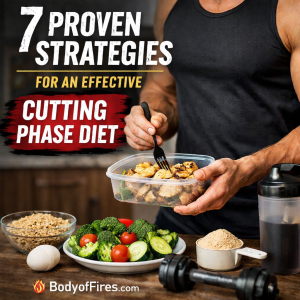
7 Proven Strategies for an Effective Cutting Phase Diet
Introduction
A cutting phase diet is a structured nutritional approach designed to reduce body fat while preserving as much lean muscle mass as possible. Commonly used by bodybuilders, athletes, and fitness enthusiasts, this phase follows a calorie surplus or “bulking” phase and focuses on strategic calorie control, macronutrient balance, and training optimization.
Unlike crash dieting, a properly planned cutting phase diet prioritizes sustainability, performance, and long-term health. When done correctly, it allows you to reveal muscle definition, improve metabolic efficiency, and maintain strength throughout fat loss. This guide breaks down the science, strategies, and practical steps needed to execute a cutting phase diet successfully.
What Is a Cutting Phase Diet?
A cutting phase diet is centered around a calorie deficit, meaning you consume fewer calories than your body burns daily. The goal is not rapid weight loss, but gradual fat reduction while minimizing muscle loss.
Key objectives include:
-
Reducing body fat percentage
-
Maintaining lean muscle mass
-
Preserving strength and performance
-
Supporting hormonal and metabolic health
This phase typically lasts between 8 and 16 weeks, depending on starting body composition and goals.
Understanding Calories and Energy Balance
At the core of any cutting phase diet is energy balance. To lose fat, you must consistently maintain a calorie deficit. However, the size of the deficit matters.
A moderate deficit of 300–500 calories per day is ideal for most people. Larger deficits may lead to muscle loss, fatigue, and metabolic slowdown.
To estimate your needs:
-
Calculate your total daily energy expenditure (TDEE)
-
Subtract 10–20% from that number
-
Adjust weekly based on progress
Tracking intake using food scales and apps can significantly improve accuracy and consistency.
Macronutrient Breakdown for Cutting
Protein Intake
Protein is the most important macronutrient during a cutting phase diet. Adequate protein intake helps preserve lean muscle mass, supports recovery, and increases satiety.
Recommended intake:
-
0.7–1.0 grams of protein per pound of lean body mass
Lean protein sources include chicken breast, turkey, fish, eggs, Greek yogurt, tofu, and legumes.
Carbohydrates
Carbohydrates fuel workouts and help maintain training intensity. Eliminating carbs entirely often leads to poor performance and muscle loss.
Best practices include:
-
Prioritizing complex carbohydrates
-
Timing carbs around workouts
-
Adjusting intake based on activity levels
Examples include oats, rice, quinoa, potatoes, fruits, and vegetables.
Dietary Fats
Fats are essential for hormone production and nutrient absorption. During a cutting phase diet, fats should be reduced but not eliminated.
Recommended intake:
-
20–30% of total daily calories
Healthy sources include olive oil, avocados, nuts, seeds, and fatty fish.
Meal Timing and Frequency
Meal timing plays a supportive role rather than a decisive one. Total daily intake matters more than meal frequency, but strategic timing can improve adherence and performance.
Helpful strategies:
-
Eating protein evenly throughout the day
-
Consuming carbs pre- and post-workout
-
Avoiding long fasting periods if training intensely
Whether you eat three meals or six, consistency is key.
Training Considerations During a Cut
A cutting phase diet must be paired with proper training to preserve muscle.
Resistance Training
Strength training should remain a priority. Focus on:
-
Compound movements
-
Progressive overload where possible
-
Maintaining intensity even if volume decreases
Reducing training too much increases the risk of muscle loss.
Cardio Integration
Cardio can help increase calorie expenditure but should be used strategically.
Effective approaches include:
-
Low-intensity steady-state cardio
-
Moderate amounts of HIIT
-
Increasing daily steps
Excessive cardio can interfere with recovery and strength retention.
Hydration and Micronutrients
Adequate hydration supports digestion, performance, and appetite regulation. Many people underestimate the importance of water during a cutting phase diet.
Additionally, micronutrient intake becomes more important as calories decrease. Focus on nutrient-dense foods such as vegetables, fruits, and whole grains.
According to research summarized by the National Institutes of Health, nutrient deficiencies can negatively impact metabolism and muscle function during calorie restriction, making micronutrient intake essential during fat loss phases: https://www.ncbi.nlm.nih.gov/pmc/articles/PMC5452224/
Common Mistakes to Avoid
Cutting Calories Too Aggressively
Rapid fat loss often leads to muscle loss, hormonal disruptions, and poor adherence. Sustainable progress is always superior.
Neglecting Protein
Insufficient protein intake is one of the most common mistakes and directly increases the risk of muscle loss.
Overtraining
Excessive cardio or high-volume training combined with low calories can lead to burnout and plateaus.
Ignoring Sleep and Stress
Sleep deprivation and chronic stress elevate cortisol levels, making fat loss more difficult and increasing muscle breakdown.
Supplements That May Help
While not essential, certain supplements can support a cutting phase diet:
-
Whey or plant-based protein powder
-
Creatine monohydrate
-
Caffeine (moderate use)
-
Omega-3 fatty acids
Supplements should complement, not replace, a solid nutrition plan.
How to Track Progress Effectively
Scale weight alone is not a reliable indicator during a cut. Use multiple metrics:
-
Weekly average body weight
-
Progress photos
-
Measurements
-
Strength performance
Adjust calories only after two consecutive weeks of stalled progress.
How Long Should a Cutting Phase Diet Last?
Most cutting phases last 8–16 weeks. Extending beyond this range increases the risk of metabolic adaptation and mental fatigue.
Signs it may be time to stop include:
-
Persistent low energy
-
Strength declines
-
Hormonal symptoms
-
Poor recovery
Transitioning into a maintenance phase after cutting helps stabilize results.
Final Thoughts
A cutting phase diet is not about extreme restriction or quick fixes. It is a calculated, science-based approach to fat loss that prioritizes muscle retention, performance, and health. By managing calories, balancing macronutrients, training intelligently, and avoiding common mistakes, you can achieve sustainable and visible results.
Consistency, patience, and adaptability are the true drivers of success. When executed properly, a cutting phase diet becomes not just a temporary strategy, but a powerful tool for long-term body composition improvement.